We pump residential septic tanks the right way. A full evacuation down to the sludge, a careful look at the baffles, and a written record of what we removed. Most jobs go on the schedule inside a week, and the quote you hear is the one you pay.
Fill out the form and we will reach back the same business day. For faster service, give us a call.
Your tank holds the wastewater that leaves the house. Once it gets inside, gravity sorts the contents into three layers. Fats, oils, and grease drift to the top and form a crusty layer called scum. Heavy material settles to the bottom and turns into sludge. The clearer water in the middle is called effluent. That middle layer flows out the outlet pipe and into your drain field, where the soil filters it as it soaks down.
Anaerobic bacteria live inside the tank with no oxygen. They eat the solids and break them down into liquid and gas. The Virginia Cooperative Extension reports that those bacteria can convert as much as half of the solids into something the system can move along. The other half stays put. That leftover material is what we come out to remove.
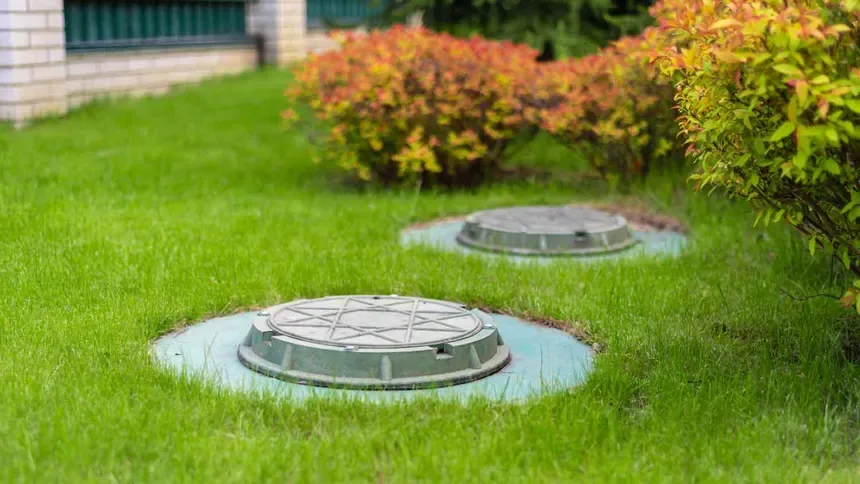
A typical Tennessee tank holds 1,000 to 1,500 gallons. It is usually concrete or polyethylene with two compartments. The whole system can last forty to fifty years when the pump outs stay on schedule.
The bacteria inside your tank are good at their job, but they are slow. Solids arrive faster than the microbes can process them. The scum layer on top is especially stubborn because most of the bacteria live in the watery middle and rarely reach the surface. Year by year, the sludge climbs higher and the scum gets thicker.
When those layers grow tall enough, they push solids out through the outlet pipe and into the drain field. Once that happens, the soil pores clog. Water can no longer soak in. The whole system backs up, and the field stops working. A replacement drain field can run five to fifteen thousand dollars and sometimes more, depending on the lot and the soil. Our pump truck and a few hours of work cost a tiny fraction of that.
That is the whole reason pumping exists. We come out before the layers reach the outlet, suction the buildup, and reset the system. The bacteria recover, and the drain field stays clean.
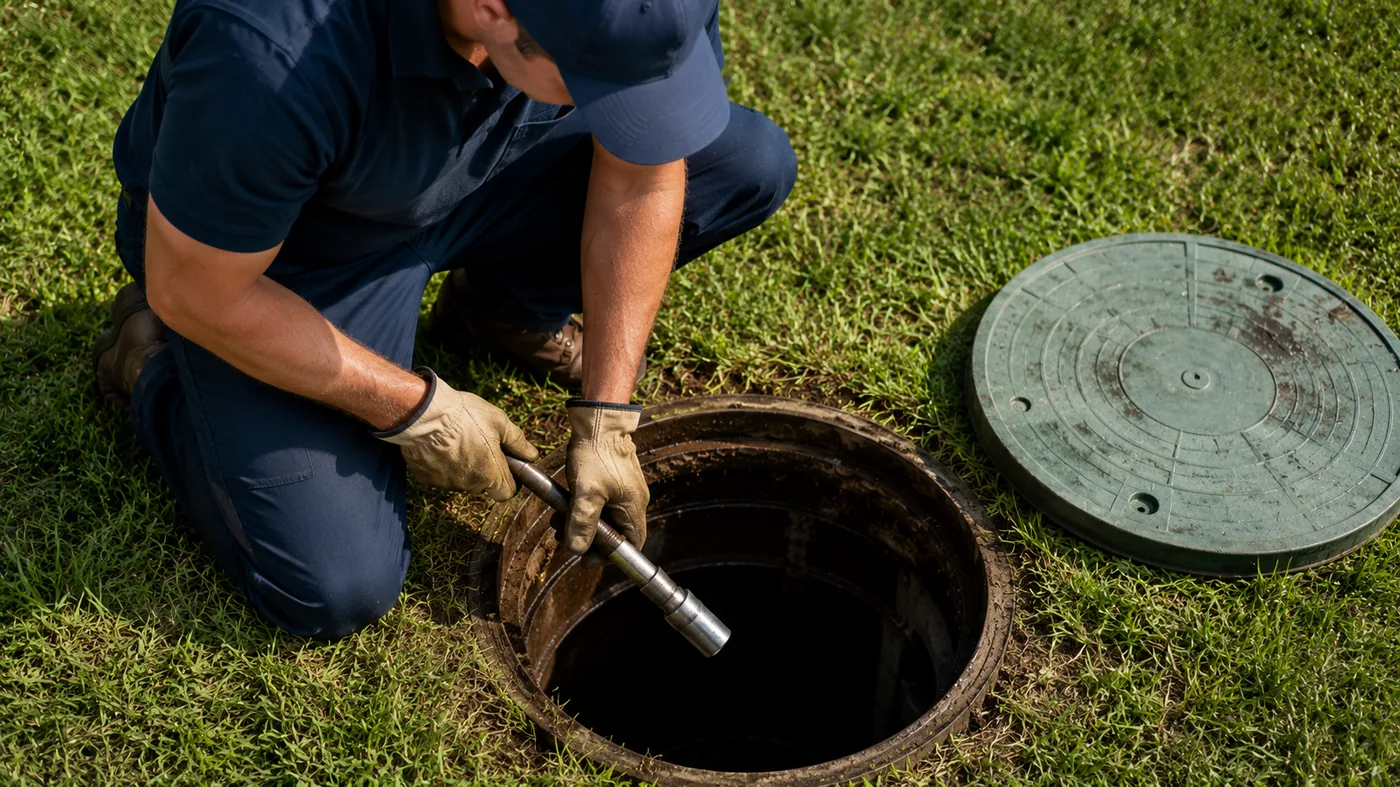
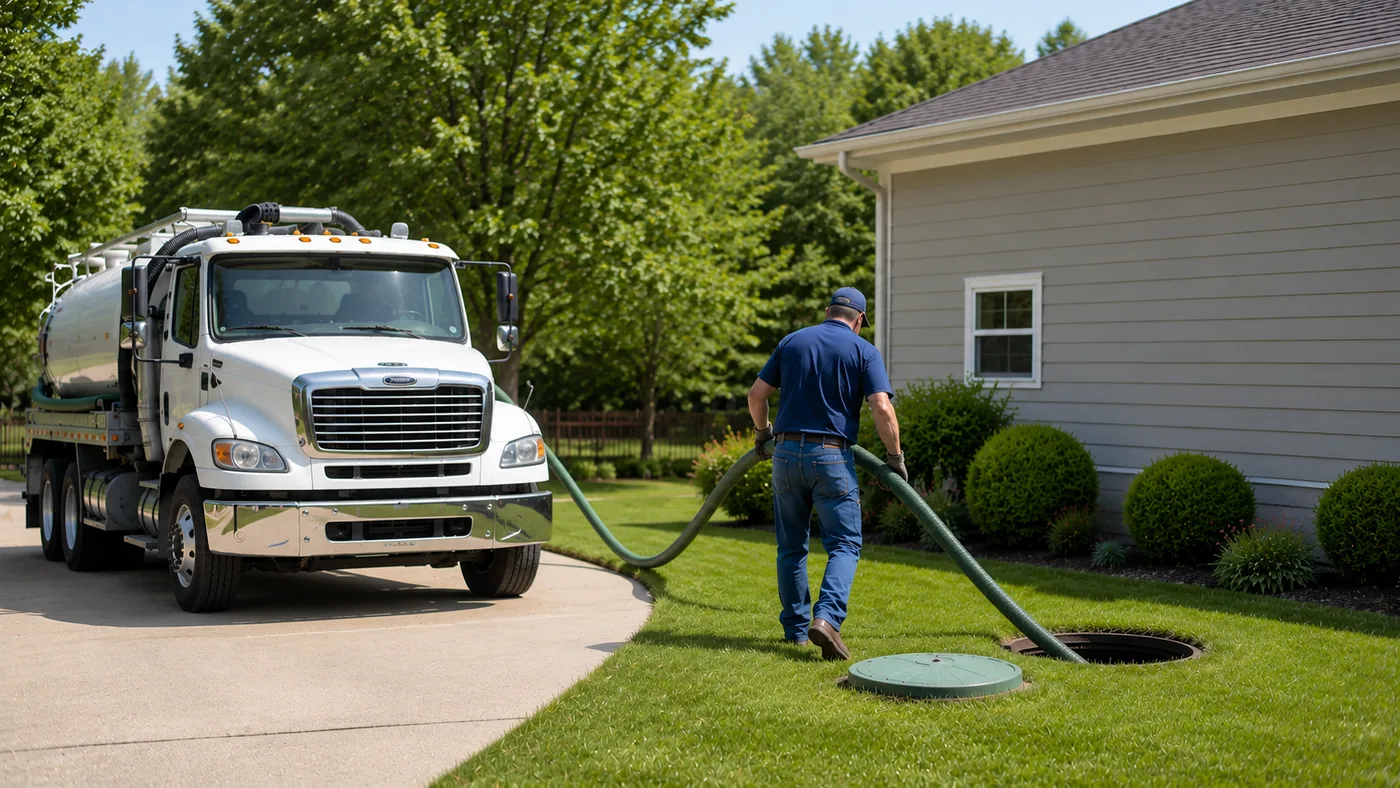
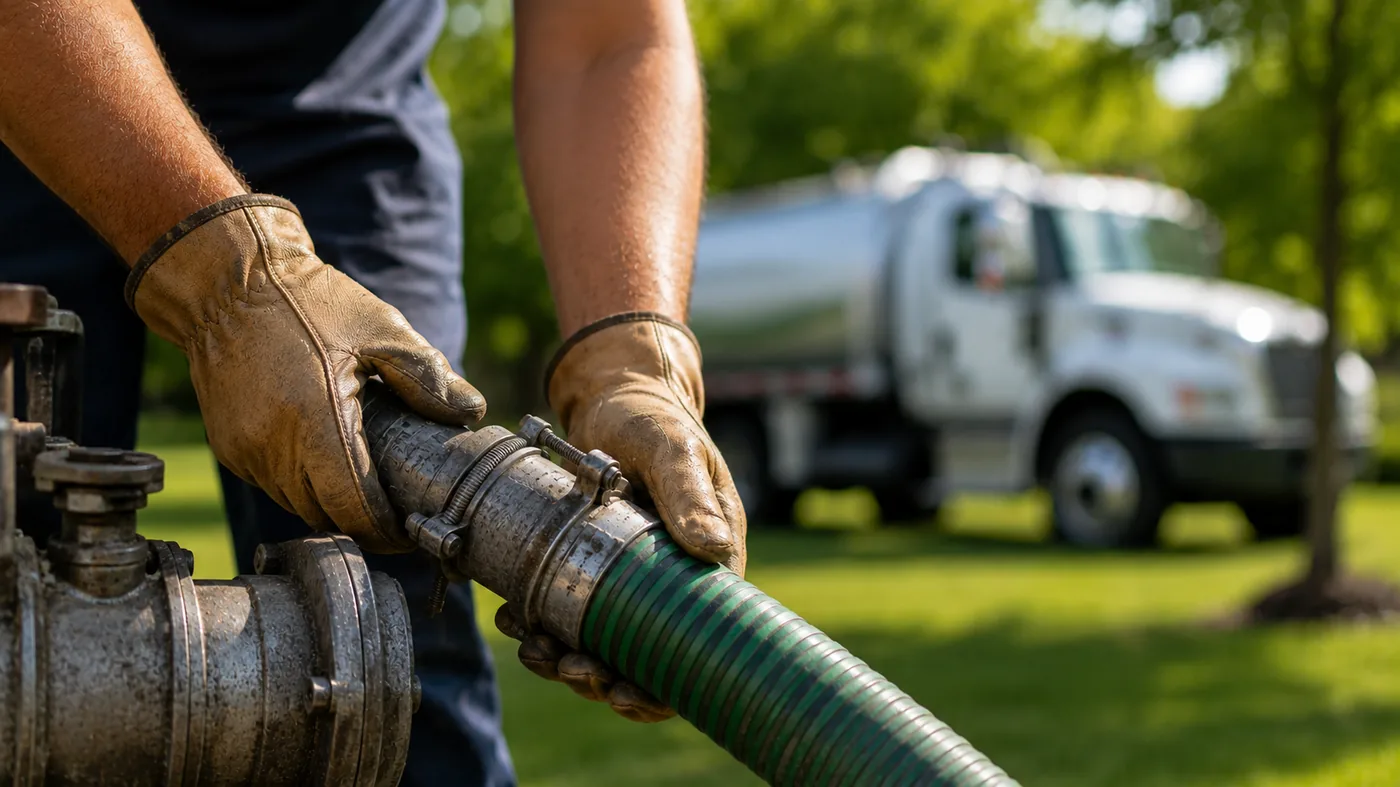
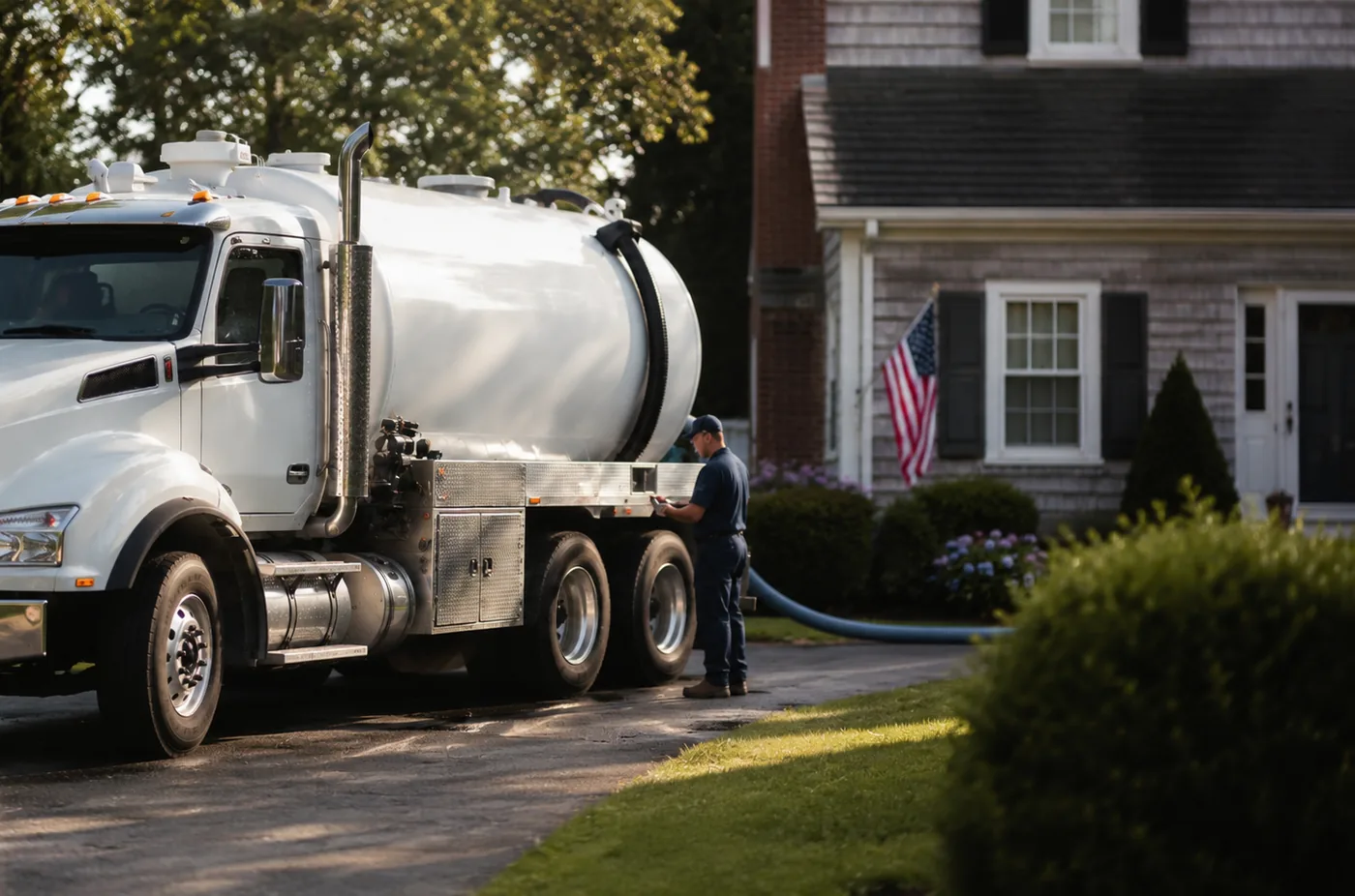
The truck we run pulls a vacuum strong enough to lift the contents of a residential tank in under thirty minutes. We start by opening both compartments. We sink the hose past the scum cap, all the way to the bottom, and we suction the sludge first. Then we work our way up through the effluent. The scum layer comes out last.
We do not pump the drain lines or the distribution box. Those parts of the system stay where they are. Some pump systems include a separate pump chamber, and on those we check the chamber as well. Most homes do not have one.
One detail matters here. We leave a small layer of solids on the bottom on purpose. Virginia Cooperative Extension recommends it. That seed carries the live bacteria your system needs to restart breaking down waste. A tank scrubbed clean has to rebuild its colony from scratch.
The classic rule from Penn State Extension and Virginia Tech Extension lines up with what we see on the ground. Most residential tanks need a pump out every three to five years. A few states and counties go further and require pumping on a fixed schedule no matter what the tank looks like inside.
The actual interval comes down to two numbers. How many people live in the home, and how big the tank is. A family of five on a 1,000 gallon tank will pack the sludge layer in two or three years. A retired couple on a 1,500 gallon tank can sometimes wait six or seven. A garbage disposal that runs every day shortens the interval. So does heavy laundry use.
Extension publications also suggest an inspection every two years. We do this for free during a normal pumping. We measure the sludge depth, check the baffles, and tell you whether the timing was right, late, or early. That gives you a real number for the next round.
A septic system almost always tells you something is wrong before it becomes a disaster. The signs usually show up in this order.
The early symptoms cost a few hundred dollars to fix. The same problem six months later, once the drain field is soaked, can cost twenty times that.
A few habits add years to the life of a septic system. Some of them are obvious. Some sound minor but matter a lot once you know how the bacteria work.
We feel strongly about this one, so we say it out loud on every visit. A septic tank fills with hydrogen sulfide and methane gas during normal operation. Those gases can knock a healthy adult unconscious within seconds. They are also flammable, which means no open flames or cigarettes anywhere near an open lid.
People die in septic tanks every year, usually after climbing in to chase a dropped tool. We carry gas monitors, lid hooks, and the right safety gear, and we still treat every open tank with respect. Please leave the inside of your tank to us.
A routine residential pump out around here usually runs between $325 and $575. Tank size is the biggest variable. A 750 gallon tank costs less to empty than a 1,500 gallon tank. After that, the next factor is how much sludge has built up and whether the lids are buried.
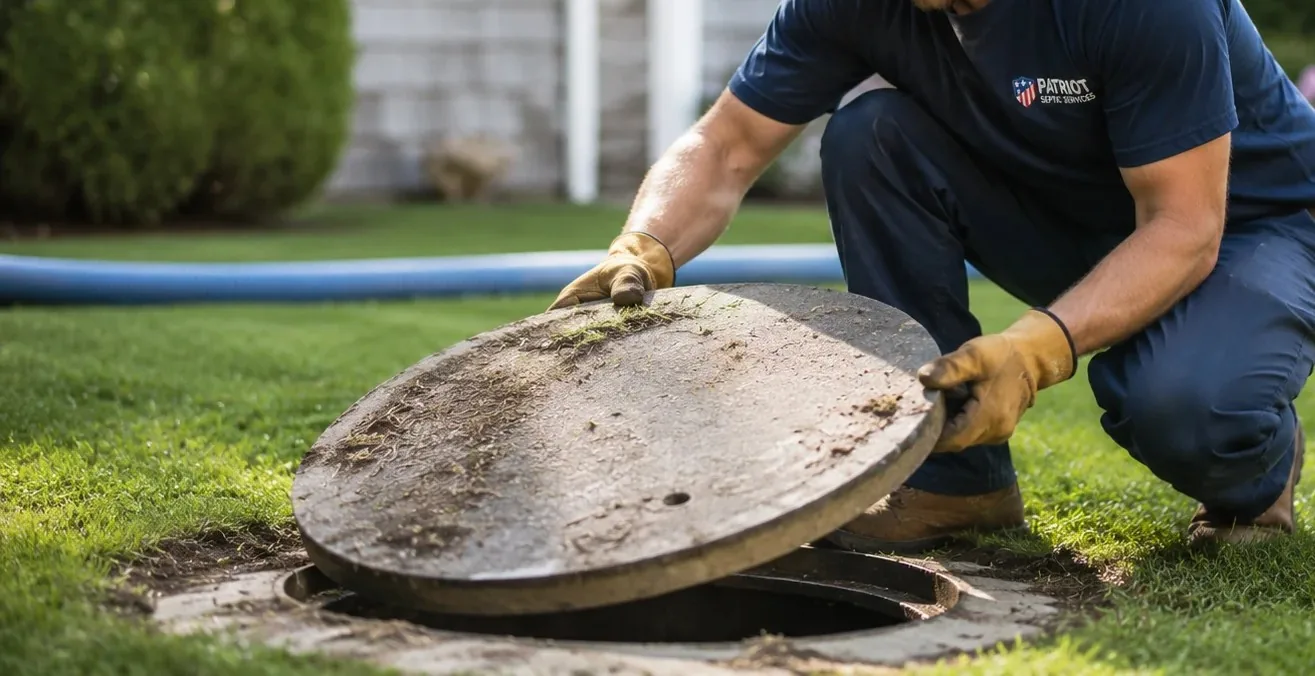
We give you the price on the phone before we ever load the truck. If your tank is buried and we have to dig to find a lid, we tell you that adds $75 to $150. If we open the tank and find the system needs a deeper cleaning rather than a pump out, we tell you that too, with the new number, and you decide whether to go forward.
The quote you hear is the quote you pay. No emergency surcharge for booking on a Wednesday. No mystery line item at the end for disposal.
Our home base is Spring Hill. From there, we cover a wide loop across southern Williamson County and northern Maury County. If your address sits in or near one of these towns, you are inside our regular zone.
Not sure your address is in the zone? Call us anyway. We stretch a little further for repeat customers and active emergencies.
Call and a real person will answer during business hours. Or send the form and we will follow up the same business day.